

Influencing Change at Parliament House
During a recent visit to Parliament House in Canberra, Youth Insearch joined our policy consultant, Social Change Projects, to meet with parliamentarians and advisers from across the political spectrum.
The visit provided an important opportunity to advocate for policies and investment that help more young people access support earlier, before challenges escalate into crisis.
By sharing what Youth Insearch has learned through more than 40 years of supporting young people, we sought to influence decisions that shape the services and opportunities available to young people across Australia.
Central to these conversations was how lived experience and peer-led support can help young people build connection, confidence and stability. By advocating for these approaches, Youth Insearch is working to ensure that more young people can access support that reflects their needs and helps them thrive.
Chief Executive Officer Stephen Lewin and Chief Program Officer Kate Bjur were joined by Youth Insearch Leaders Cassie and Ahmarni, who brought young people’s perspectives directly into discussions with decision-makers. Their contribution demonstrated why lived experience should be recognised as expertise, not only in the delivery of support, but also in shaping the policies and systems that affect young people.
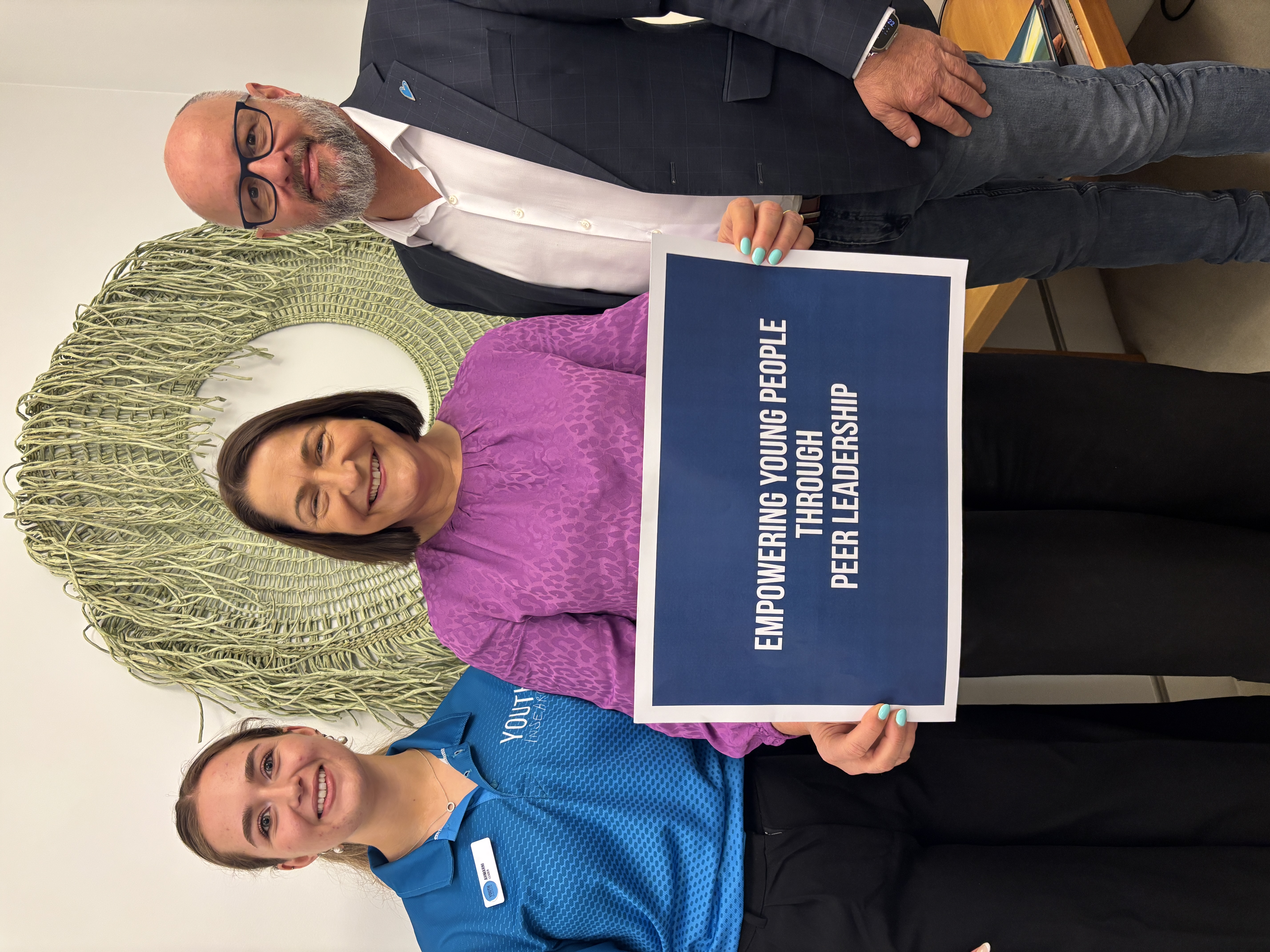
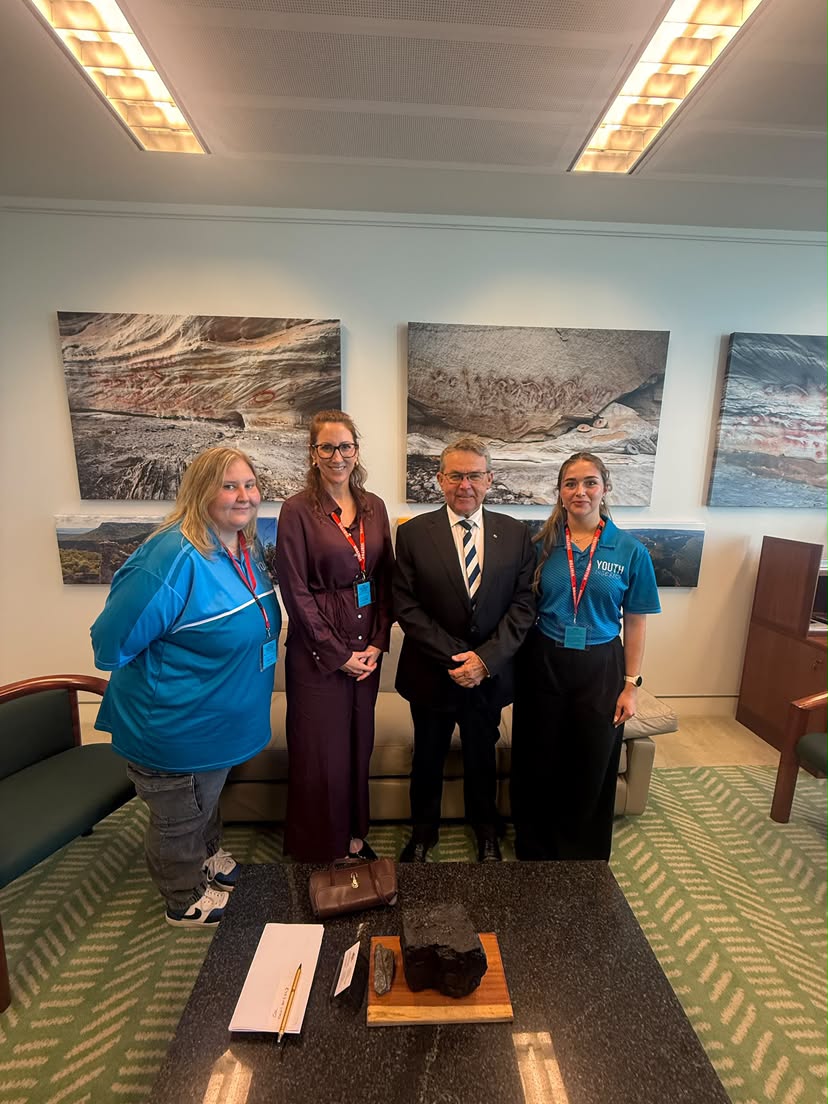
Our discussions focused on the importance of support that is relatable, accessible and embedded within local communities. We also shared our ambition to grow Youth Insearch’s place-based model in regional communities where there is an identified need, and where access to appropriate services and support networks can be limited.
This government engagement forms part of our broader systems change vision. Youth Insearch was created because young people were being failed by existing systems. Forty years later, we continue to support young people through adversity, while working towards a future in which challenges are identified earlier and young people receive support before crisis occurs.
Achieving this requires systems that place trusted relationships, belonging and lived experience at the centre of support. It also requires families, communities and young people themselves to play a stronger role in shaping solutions.
Our goal is not only to change individual lives, but to help influence the systems around them. By working with governments, researchers, community organisations and sector leaders, we aim to advocate for earlier intervention, stronger community-based responses and greater recognition of peer-led models as best practice.
The visit was an important step in building awareness of the Youth Insearch model, strengthening relationships with government and progressing opportunities to reach more young people in regional communities.