

Australasian Youth Justice Conference
Youth Insearch was proud to present at the 6th Australasian Youth Justice Conference, an event that brings together practitioners, researchers, policy makers, advocates and people with lived experience to explore better outcomes for young people, families and communities.
This year’s theme, “Better outcomes. Wherever you are. Whoever you are.”, reflected a strong focus on place-based, community-driven approaches, culture and connection, and embedding young people’s voices within evidence-informed practice.
Youth Insearch Chief Executive Officer Stephen Lewin, Chief Program Office Kate Bjur, Peer Worker Bree Thornley, and Workshop Facilitator Tom Burrows, presented a panel session titled “Diverting Young People from the Youth Justice System with a Lived Experience Workforce.” The discussion explored how Youth Insearch goes beyond consulting young people by creating genuine pathways for people with lived experience to become leaders, employees and decision-makers within the organisation.
Stephen shared his journey from Youth Insearch program participant to CEO, highlighting the organisation’s commitment to youth-led leadership and governance. Bree and Tom spoke about the role of peer work in practice, demonstrating how sustained connection, thoughtful support and the mindful use of lived experience can help young people build confidence, belonging and resilience.
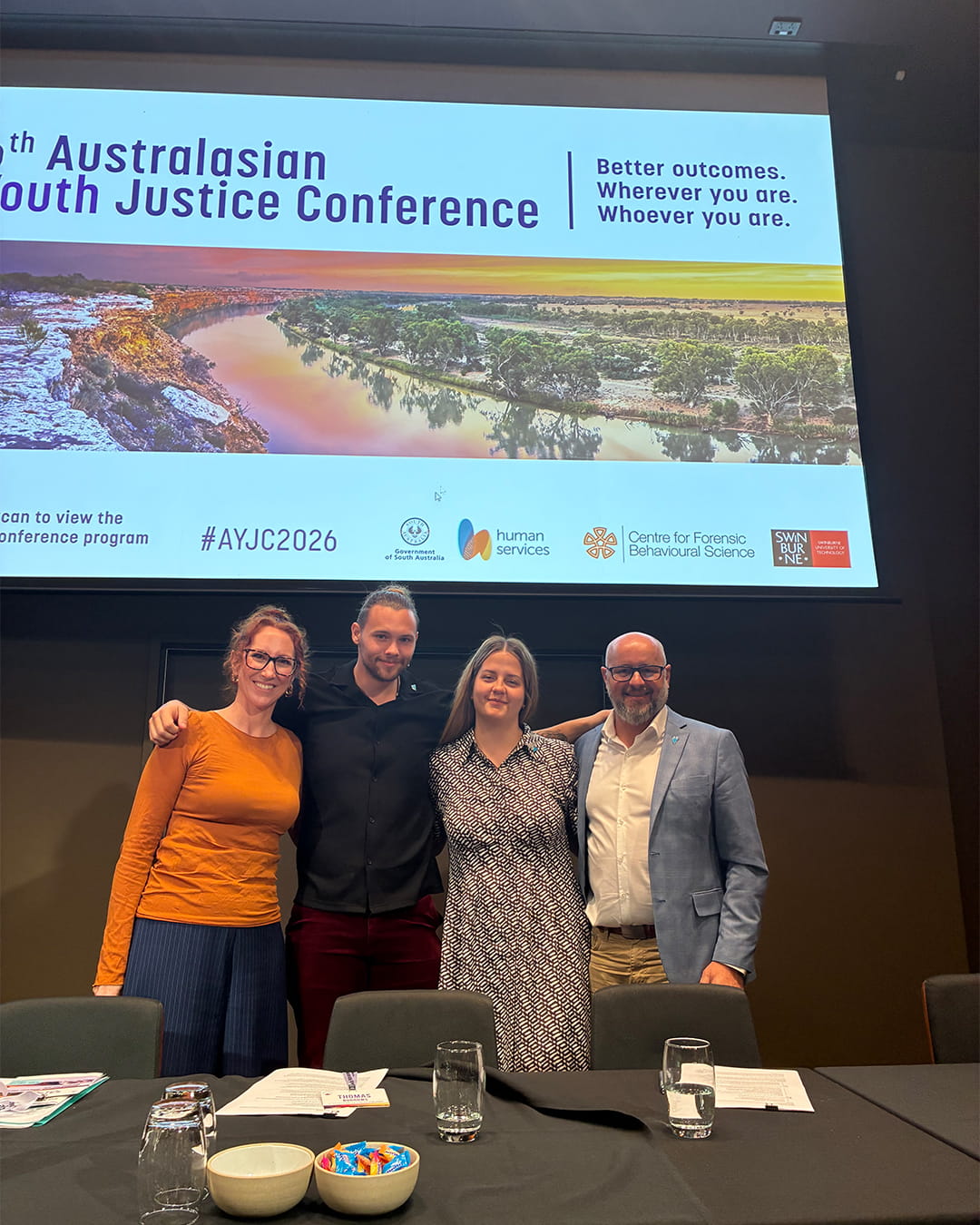
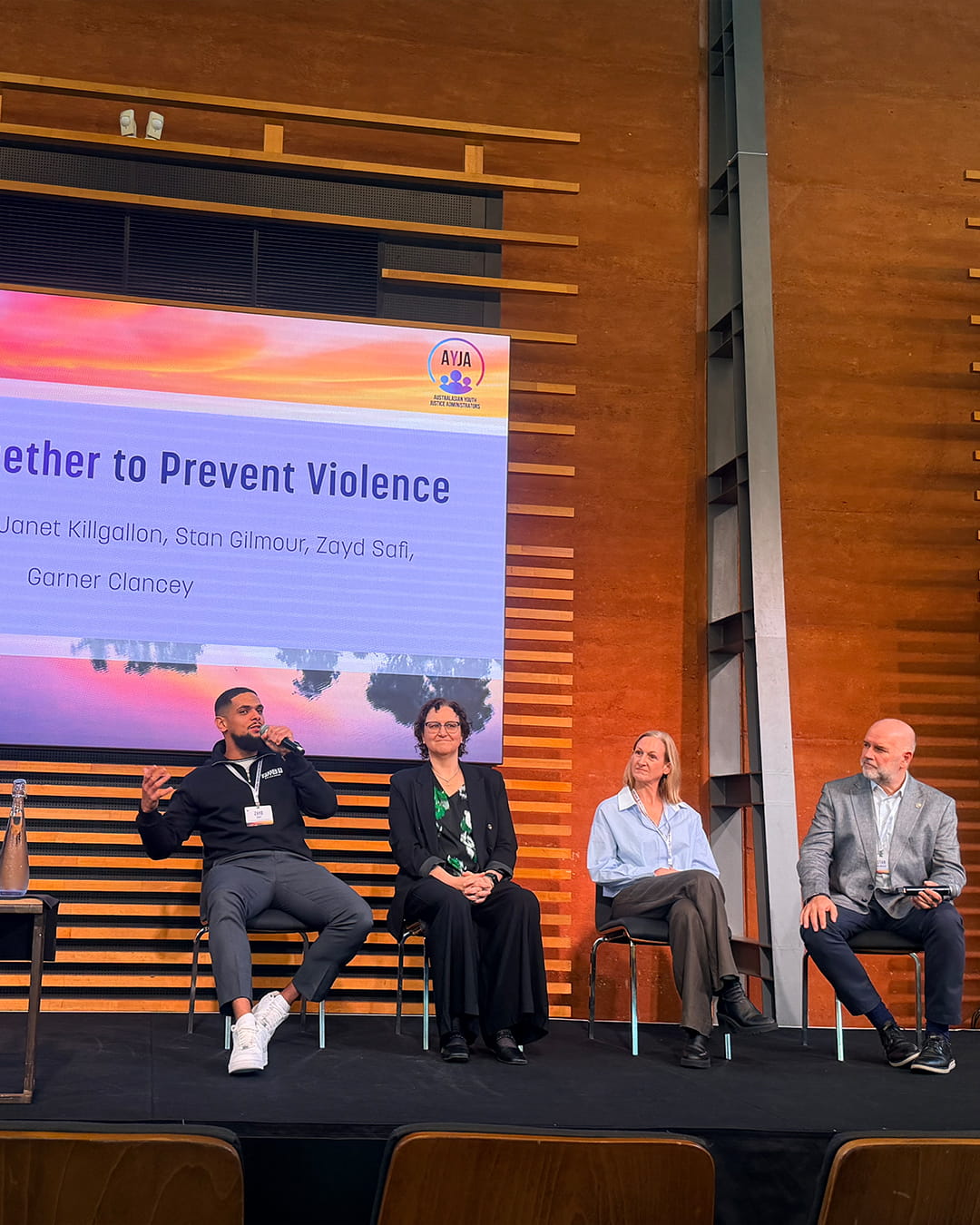
The session generated strong interest from delegates, sparking discussion about what it takes to meaningfully embed lived experience within a workforce rather than treating youth voice as an additional consultation mechanism. Conversations reflected growing recognition across the sector that young people’s expertise should play a central role in shaping the services and systems designed to support them.
A highlight of the conference was the keynote address by Andrea Davidson, inaugural CEO of Victoria’s Violence Reduction Unit. Andrea shared the Unit’s public health approach to violence prevention, which focuses on early intervention, evidence-informed decision making, strong community partnerships and lived experience-led solutions.
The themes of the keynote closely aligned with the discussions generated by the Youth Insearch panel. Both reinforced the importance of placing young people, communities and lived experience at the centre of responses that seek to create lasting change.
The conference provided a valuable opportunity to showcase the Youth Insearch model and contribute to national conversations about prevention, early intervention and the vital role lived experience can play in achieving better outcomes for young people.
